
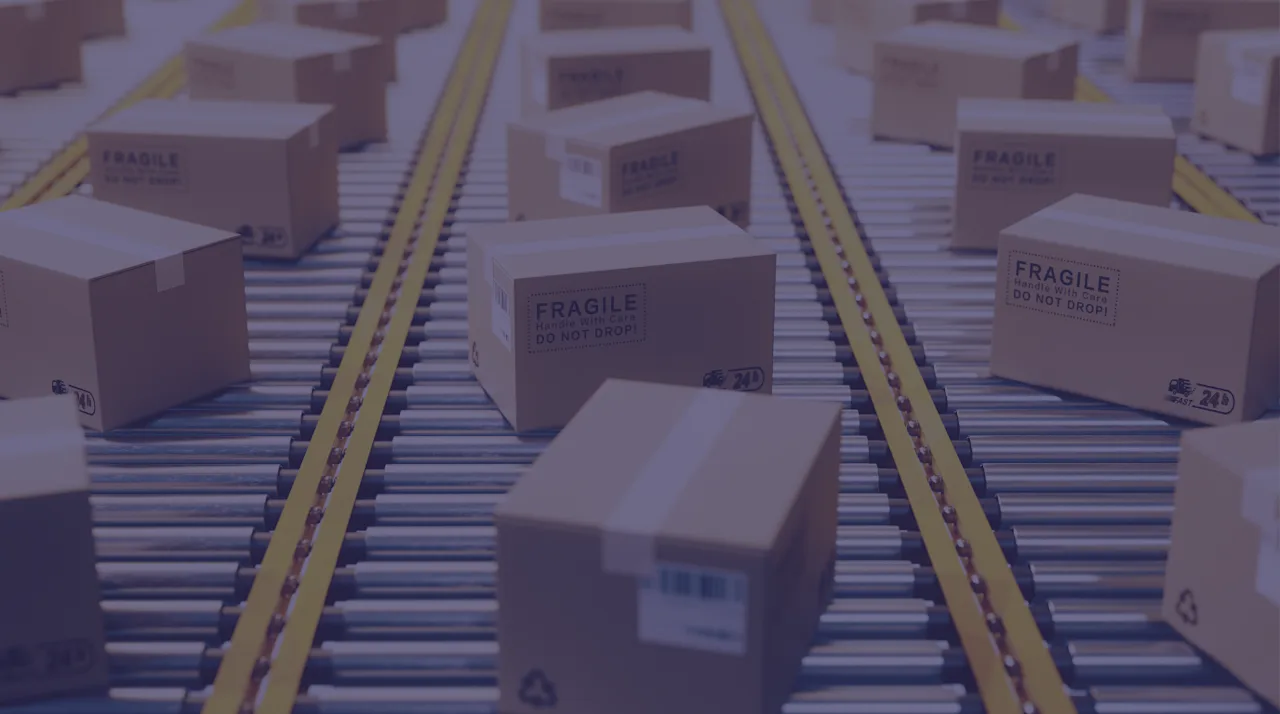
PierPASS is a non-profit organization established by marine terminal operators at the Port of Los Angeles and the Port of Long Beach to reduce truck congestion at two of the busiest ports in the United States. The primary mechanism it uses is the Traffic Mitigation Fee (TMF) - a mandatory surcharge on container pickups and deliveries during peak hours.
If your goods are entering the US through Los Angeles or Long Beach, understanding PierPASS and the TMF is essential for accurate landed cost calculation.
| PierPASS Quick Reference | Details |
|---|---|
| What it is | A non-profit managing congestion pricing at the Port of LA and Port of Long Beach |
| What the TMF is | Traffic Mitigation Fee - a mandatory surcharge on peak-hour container movements |
| Which ports charge it | Port of Los Angeles and Port of Long Beach only |
| When it applies | Monday to Friday, 3am to 6pm (peak hours) |
| When it does NOT apply | Evenings, nights, and weekends (off-peak hours) - incentive to move cargo off-peak |
| Is it negotiable? | No - the TMF is a flat, non-negotiable fee |
| Who pays it | Cargo owners and importers responsible for moving containers through the truck gate |
| How to pay | Online via PierPASS after registering at pierpass.org |
What is PierPASS?
PierPASS Inc. is a non-profit organization established collaboratively by the marine terminal operators at the Port of Los Angeles and the Port of Long Beach to resolve maritime traffic congestion and related issues - including air quality, security, and freight delays - in and around the two ports.
The organization's most significant function is the administration of the Traffic Mitigation Fee (TMF), which uses a congestion pricing model to spread container movements more evenly throughout the day by making peak-hour pickups more expensive than off-peak ones.
What is the PierPASS Traffic Mitigation Fee (TMF)?
The PierPASS TMF is a mandatory, non-negotiable terminal handling surcharge applied to both LCL and FCL shipments moving through the Port of Los Angeles and Port of Long Beach during peak hours.
Key points about the TMF:
- It applies to container pickups and deliveries made Monday to Friday between 3am and 6pm
- It does not apply to off-peak movements (evenings, nights, weekends) - this is intentional to incentivize shippers to move cargo during less congested periods
- Freight forwarders cannot negotiate or waive this fee - it is a flat mandatory charge
- Both import and export containers are subject to the TMF
Which Ports Charge the TMF?
Only two ports charge the PierPASS TMF - the Port of Los Angeles and the Port of Long Beach, both in Southern California. No other port in the world charges this specific fee.
If your shipment is routed through any other US port - such as the Port of New York/New Jersey, Port of Seattle, or Port of Savannah - the PierPASS TMF does not apply. However, other ports may have their own congestion-related surcharges.
How to Calculate the PierPASS TMF
The TMF is calculated based on the number of TEUs (Twenty-foot Equivalent Units) in your shipment:
| Container Type | TEU Count | TMF Charge |
|---|---|---|
| 20-foot container (20GP) | 1 TEU | Check current rate at pierpass.org - rates are periodically updated |
| 40-foot container (40GP or 40HC) | 2 TEUs | 2x the 20-foot rate |
To calculate your TMF: multiply the total TEU count of your shipment by the current per-TEU rate published on the official PierPASS website. Always check pierpass.org for the current rate before calculating your landed cost, as the fee is updated periodically.
Benefits of the Traffic Mitigation Fee
The TMF was created to spread pickups and deliveries evenly throughout the day rather than concentrating them during traditional business hours. This benefits multiple stakeholders:
For port operators: Even distribution of activity throughout the day prevents phases where pickups overwhelm capacity. Port space is used more efficiently and vessel handling remains smooth.
For trucking owners: Reduced congestion during off-peak hours means shorter waiting times at ports, allowing truckers to complete more orders per day and increase their earnings.
For cargo owners and buyers: Predictable port operations make it easier to execute production orders on time and keep supply chains on schedule.
For the environment: Spreading traffic throughout the day reduces noise pollution, air pollution, and road and waterway congestion around the two ports.
What is a TMF Hold?
A TMF hold means your container cannot be released from the port until the Traffic Mitigation Fee is paid. This is similar to a demurrage hold - your goods are physically at the port but inaccessible until the fee is settled.
TMF holds can be resolved by:
- Paying online through the PierPASS website after registering your account
- Contacting the port terminals directly about alternate payment methods
How to Pay the PierPASS TMF
The TMF is paid through PierPASS after registering as a user. Cargo owners and buyers responsible for moving containers through the truck gate at the Port of Los Angeles or Port of Long Beach must register at pierpass.org to make online payments.
The fee is charged at the port terminal. Registration is required before payment can be processed online.
TMF vs Port Congestion Surcharge (PCS): Key Differences
| PierPASS TMF | Port Congestion Surcharge (PCS) | |
|---|---|---|
| Where it applies | Port of LA and Port of Long Beach only | Applied globally by carriers at various ports |
| When it applies | Peak hours only (Mon-Fri, 3am-6pm) - not off-peak | Applied continuously regardless of time |
| Who charges it | PierPASS (terminal operators) | Ocean carriers |
| Flexibility | Fixed flat fee - non-negotiable | Varies by carrier and route |
| Purpose | Reduce peak-hour congestion at specific ports | Recover costs during periods of port congestion |
Frequently Asked Questions
What is PierPASS and why does it exist?
PierPASS is a non-profit organization created by terminal operators at the Port of Los Angeles and Port of Long Beach to reduce truck congestion at two of the busiest ports in the US. It administers the Traffic Mitigation Fee (TMF), which uses congestion pricing to incentivize shippers to move containers during off-peak hours rather than concentrating all activity during peak business hours.
What is the PierPASS fee and how much is it?
The PierPASS TMF is a mandatory surcharge on container movements during peak hours (Monday to Friday, 3am to 6pm) at the Port of Los Angeles and Port of Long Beach. The fee is calculated per TEU - check the current rate at pierpass.org as it is updated periodically. A 40-foot container is charged at twice the rate of a 20-foot container.
Which ports charge the PierPASS TMF?
Only the Port of Los Angeles and the Port of Long Beach charge the PierPASS TMF. No other US or international port charges this specific fee. Other ports may have their own separate congestion surcharges.
When does the PierPASS fee NOT apply?
The PierPASS TMF does not apply to container movements made during off-peak hours - evenings, nights, and weekends. This is intentional: by making off-peak movements free of the TMF, PierPASS incentivizes shippers to move cargo outside traditional business hours to reduce daytime congestion.
What is a TMF hold?
A TMF hold means your container cannot be picked up from the port until the Traffic Mitigation Fee is paid. Similar to a demurrage hold, your goods are at the port but inaccessible until the fee is settled. TMF holds can be resolved by paying online through pierpass.org or by contacting the port terminal.
How do I register with PierPASS to pay the TMF?
Cargo owners and buyers responsible for moving containers through the truck gate at the Port of Los Angeles or Port of Long Beach must register at pierpass.org. Once registered, the TMF can be paid online before picking up containers.
What is the difference between TMF and Port Congestion Surcharge?
The PierPASS TMF applies only at the Port of LA and Port of Long Beach, only during peak hours, and is a fixed non-negotiable fee charged by terminal operators. A Port Congestion Surcharge (PCS) is charged globally by ocean carriers, applies continuously regardless of time of day, and varies by carrier and route.