
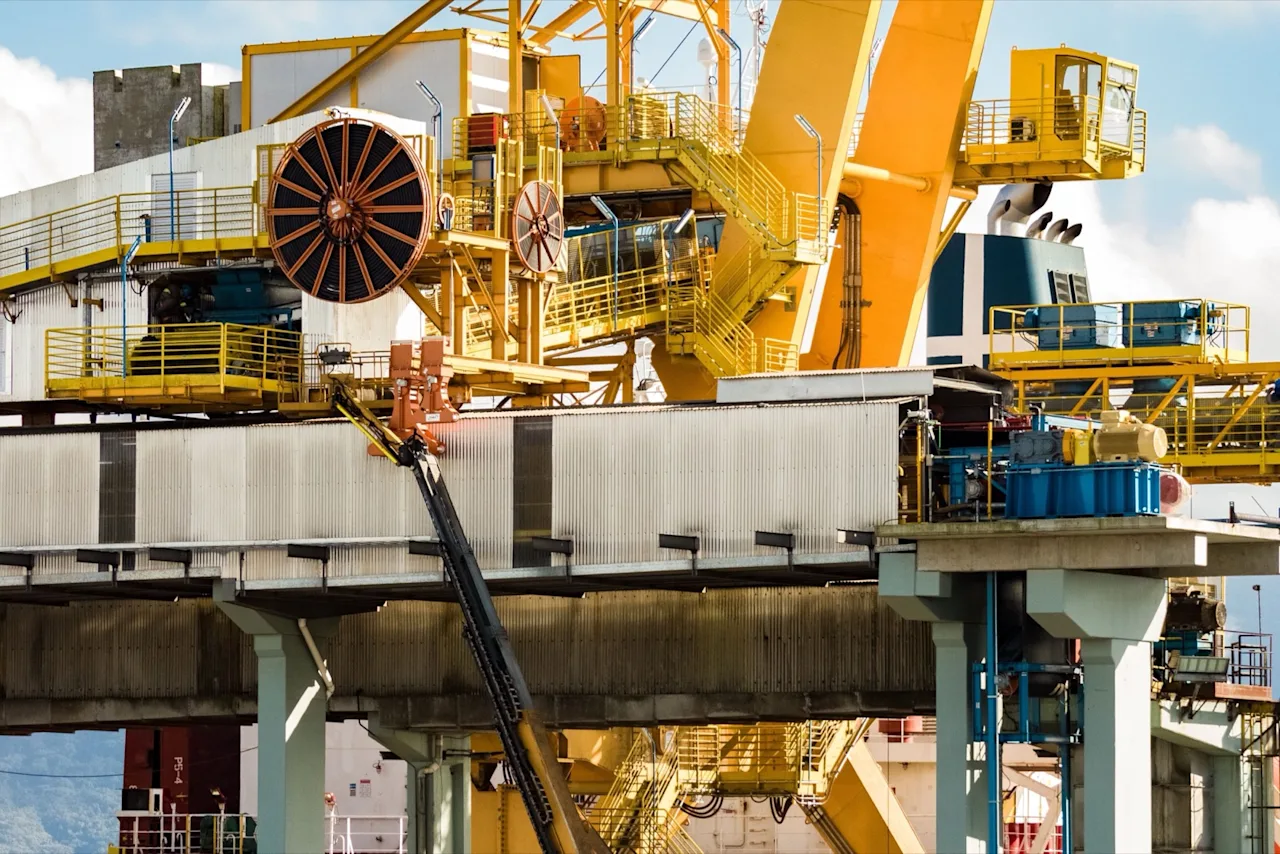
Financing Industrial Machinery Imports Through South Florida Ports
South Florida's ports move more industrial cargo than almost anywhere else on the East Coast, and a lot of that cargo is equipment: pumps, conveyors, packaging lines, material handling systems, the machines that keep other businesses running. Getting one of those machines from a factory overseas to a warehouse in Florida usually means funding working capital well before the equipment earns a dollar.
Why Industrial Equipment Importers Feel the Cash Squeeze
Buying machinery from an overseas vendor rarely works like buying off a shelf. Custom or built-to-order equipment usually asks for a deposit before production starts, then the balance before the unit ships. Add freight, customs, and installation, and the cash goes out in stages long before the equipment starts paying for itself.
The deposit due before a machine ships
A vendor building a piece of industrial equipment is taking on real production risk, so it wants money up front. Thirty to fifty percent at order is common, with the rest due before the unit leaves the factory. For a growing importer, that deposit can tie up cash that would otherwise go toward payroll or the next order.
Long lead times widen the gap
Industrial equipment is rarely made overnight. Custom builds can take months, and ocean freight adds several more weeks on top. Every extra week between the deposit and the delivery is another week the cash sits committed, unable to fund anything else.
South Florida's Ports Are Built for This Kind of Trade
Few US regions handle this kind of cargo at the scale South Florida does.
PortMiami's scale
PortMiami handled 1,115,058 TEUs in 2025. That kind of volume means importers share the port with everyone else moving heavy freight, and congestion during peak periods can add real time to a shipment already running on a tight schedule.
Port Everglades' growing cargo volume
Port Everglades moved 7,248,707 tons of containerized cargo in fiscal year 2025 (preliminary), up from 6,748,200 tons the year before. Growth at that pace means more freight competing for berth space and inland transport, which stretches the timeline on any single shipment, equipment included.
By the numbers
South Florida's ports, and the financing gap behind them
1.1M+
TEUs handled by
PortMiami in 2025
7.2M
tons through Port
Everglades, FY25
60%
of small firms applied
for financing last year
42%
got the full amount
they applied for
Sources: Miami-Dade PortMiami statistics; Port Everglades cargo statistics; Federal Reserve Banks, 2026 Report on Employer Firms
[INFOGRAPHIC 1: does your equipment import need financing]
What Makes Equipment Financing Different From a Bank Loan
Sixty percent of small firms applied for financing last year, and only 42% received the full amount they sought. A bank loan or term loan judges you first: years in business, credit history, collateral. Financing built around the transaction itself judges the deal first, which changes who can qualify and how fast.
The deal matters as much as the balance sheet
When financing is tied to a specific vendor and order, the strength of that order carries real weight. A confirmed purchase from a reliable vendor, at a healthy margin, can offset a thinner credit file than a bank would accept. That said, financiers still expect the business behind the order to be established; deal strength alone does not replace time in business.
Speed matters when a shipment is already moving
A vendor building custom equipment does not pause production while a bank underwrites a loan. Transaction-based financing moves faster because it evaluates one order instead of your full financial history, which matters when a deposit deadline is already set.
Ways to Fund an Equipment Import Before It Lands
A few structures fit this problem, each solving a slightly different piece of it.
Vendor Financing
Vendor Financing pays your vendor directly once the order is confirmed, so production and shipping can proceed without draining your own cash. Repayment falls within an agreed window, typically up to ninety days, giving the equipment time to arrive and start earning before the bill comes due. It requires at least two years in business.
Line of Credit
A Line of Credit gives revolving access you can draw against as deposits and freight costs come up, then repay and draw again as the next order arrives. It suits importers who buy equipment on a recurring basis, since the facility stays open between orders instead of resetting each time.
Purchase Order Financing
Purchase Order Financing is worth a mention where a single confirmed order is the whole problem: it funds that one transaction directly, sized to the deal rather than your broader balance sheet.

How Drip Capital Helps Industrial Equipment Importers
Drip Capital pays your vendor directly through Vendor Financing, so a deposit deadline does not force a choice between paying the vendor and covering payroll. Repayment lines up with an agreed window rather than the exact date a customer pays you, giving the equipment time to arrive and go to work first.
Drip Capital has financed a Boca Raton, Florida equipment manufacturer that imports material handling carts from overseas vendors. Across more than 460 shipments, Drip Capital financed over eleven million dollars in invoice value, keeping vendor payments on schedule through repeated production cycles without pulling cash from the business's own operations.
[INFOGRAPHIC 2: which option fits]
Frequently Asked Questions
Why do industrial equipment importers need financing before the machine even arrives?
Vendors building custom equipment usually require a deposit at order and the balance before shipping, and that cash goes out months before the equipment starts generating revenue. Financing bridges that gap so the vendor gets paid without draining the importer's own cash.
Does South Florida's port congestion affect equipment financing?
It affects timing more than the financing itself. Congestion at PortMiami or Port Everglades during peak periods can extend how long cash stays tied up in a shipment, which is exactly the gap financing like Vendor Financing is built to cover.
What financing fits a one-time equipment purchase versus ongoing imports?
Purchase Order Financing suits a single large, confirmed order. A Line of Credit suits importers who buy equipment on a recurring basis, since the facility stays open between purchases instead of resetting.
Do I need strong personal credit to qualify?
Less than you would for a bank loan. Vendor Financing and Purchase Order Financing weigh the strength of the order and the vendor more heavily than personal credit, though a minimum of two years in business still applies.